Course Overview
Please Note: This is an Audio and Reading Course.
In school, we hear about moxibustion on ginger, garlic, salt, or Fu Zi, but are you clear on the different methods and uses of each? Besides these commonly used materials, we can also make herbal "cakes" for moxibustion. Each cake treats something different, depending on which herbs and points are selected. In addition, we can use orange peel, peach leaves, paper soaked in milk, cloth soaked in salt water, and even eggs as isolating substances for indirect moxibustion.
Objectives
-
To understand the uses and techniques of indirect moxibustion.
-
To learn the differences between direct and indirect moxibustion
-
How to make moxa cones
-
The importance and types of isolating substances
-
How to treat the moxa site after treatment is completed
Outline
0 hrs - 15 min
The Importance of indirect moxa as a treatment modality
15 min - 45 min
Indirect moxibustion techniques
45 min - 1.25 hrs
When to use direct and indirect moxibustion
1.25 hrs - 2 hrs
Techniques for making effective moxa cones
2 hrs - 2.75 hrs
Reading - Selecting the best isolating substance for a patient
2.75 hrs - 3 hrs
Reading - What to do after moxa treatment to assure the treatment warmth does not escape
Teacher
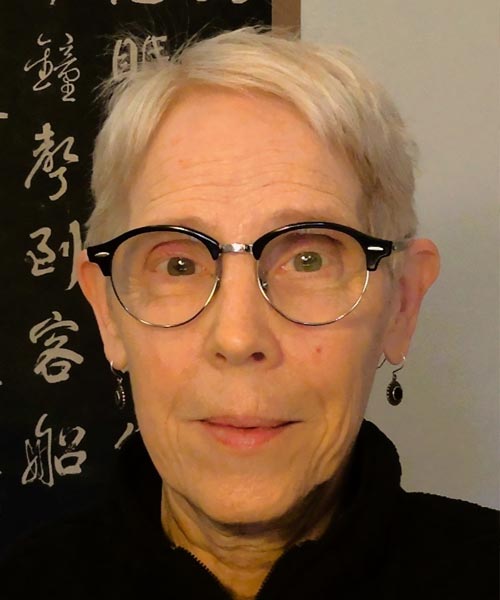
Lorraine Wilcox
Lorraine Wilcox has been a licensed acupuncturist in California since 1989. She is the author of two books on moxibustion and the translator of a number of old books on Chinese medicine. These include Miscellaneous Records of a Female Doctor and Raising the Dead and Returning Life.
Disclaimers
Please read these important disclaimers before purchasing:
...

-
CPDs:
Approved By: AACMA (3), ANTA (3), ATMS (3), Acupuncture NZ (3), NCCAOM (3), Standard Certificate (3)
-
Language: English
-
Course Type: Audio and Reading
-
Course Length: 3 h
-
Course Notes: There are no notes provided with this course.
-
Access Period: Lifetime