Course Overview
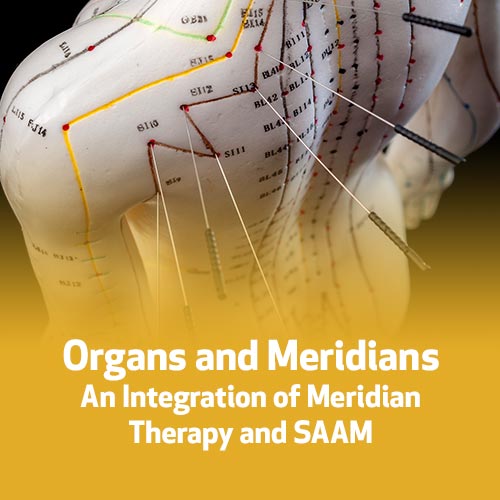
In this Qiological session, we will introduce a simple, systematic and comprehensive model for diagnosis and treatment. This model is based on classical principles, SAAM Acupuncture organ relationships and Meridian Therapy diagnosis and needling protocol.
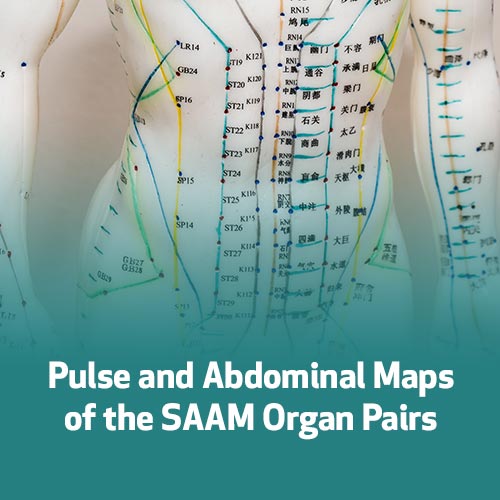
In the first installment, a simple method for pulse- and abdominal diagnosis was introduced. In the second installment, a new way of looking at disease progression was discussed.
In this installment we will be discussing a topic which is often breezed over, but is ever so important to proper and effective acupuncture medicine. This is the anatomy of the meridians and their points.
The importance of being intimate with meridian and point anatomy cannot be overstated - it is vital for effective and efficient practice since it helps us to understand the proper meaning and application of diagnosis, treatment and the needling protocol of Tonification, Shunting and Draining.
Objectives
-
Anatomy of the Meridians and their points.
-
The role of the Heart Protector and the Ming Men in Meridian and point Anatomy.
-
The points as anatomical structures and how they react to pathology.
-
A Discussion on Tonification and on Draining vs Shunting.
-
How to locate and treat the points. Tonification and Shunting with contact needling.
Outline
0 hrs - 30 min
The first section, we will discuss: Anatomy of the Meridians and their points. The role of the Heart Protector and the Ming Men in Meridian and point Anatomy.
30 min - 1 hrs
The second section, we will discuss the points as anatomical structures and how they react to pathology. A Discussion on Tonification and on Draining vs Shunting.
1 hrs - 1.5 hrs
The third section, you will learn how to locate and treat the points. Tonification and Shunting with contact needling.
Reviews
-
Ewa L. (Australia)
It's a great course as it teaches something no other courses do.
-
Philip W. (Australia)
very interesting, relevant and accords with my clinical experience
Reviews
It's a great course as it teaches something no other courses do.
Ewa L. (Australia)
very interesting, relevant and accords with my clinical experience
Philip W. (Australia)
Teacher
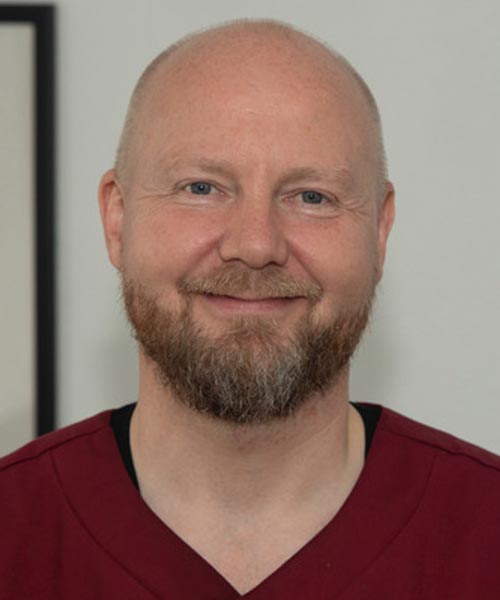
Thomas Sorenson
I was introduced to acupuncture in 1996 while undertaking studies in Korean language and culture in Seoul, South Korea. One acupuncture treatment with a few needles on the opposite leg of the knee that I had injured during martial arts practice took away my knee pain instantly and completely.
Disclaimers
Please read these important disclaimers before purchasing:
...

-
CPDs:
Approved By: AACMA (1.5), ANTA (1.5), ATMS (1.5), Acupuncture NZ (1.5), NCCAOM (1.5), Standard Certificate (1.5)
-
Language: English
-
Course Type: Recorded Webinar
-
Course Length: 1.5 h
-
Course Notes: Notes are provided with this course.
-
Access Period: Lifetime