Course Overview
Please Note: This is a Reading Course.
You already know how to use pattern identification as the basis for determining treatment. But do you understand how to use pathomechanisms to analyze and explain the changes that will occur in your patients over time? Because pattern diagnosis only provides you with a snapshot of the current state of your patient’s illness, your ability to predict the progression of disease depends upon your knowledge of pathomechanisms.
Part 1 of this class will give you an understanding of pathomechanisms that will allow you to better anticipate future complications and stay one step ahead of the disease that you are treating. With this knowledge you can effectively "prevent illness before it arises," the mark of the superior physician described in the Nei Jing.
Part 2 of this course will give you insight into the core gynecological disease mechanisms in Chinese medicine. Most systemic diseases affect a woman’s menstruation and reproductive system whether the woman’s chief complaint is gynecological or not. Understanding these important concepts will allow you to better diagnose and treat any woman no matter what her illness.
Objectives
-
Participants will learn the origin and development of pathomechanisms in Chinese medicine
-
Participants will learn the nineteen pathomechanisms listed in the Nei Jing
-
Participants will learn practical applications of pathomechanism theory
-
Participants will learn the role of qi, blood, and key zang-fu in gynecology and their associated pathomechanisms
-
Participants will learn common pathomechanisms involved in menopausal disorders
Outline
0 hrs - 1 hrs
Reading - How to use pathomechanisms to analyze and explain the changes that will occur in your patients over time. An understanding of pathomechanisms will allow you to better anticipate future complications and stay one step ahead of the disease that you are treating
1 hrs - 2 hrs
Reading - Most systemic diseases affect a woman’s menstruation and reproductive system whether the woman’s chief complaint is gynecological or not. This segment of the course will give you insight into the core gynecological disease mechanisms in Chinese medicine.
Teacher
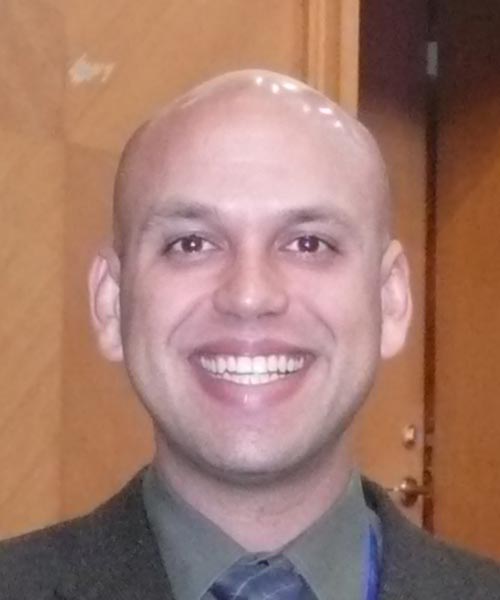
Eric Brand
A graduate of the Pacific College of Oriental Medicine, Eric Brand, L.Ac., has a passion for Chinese herbal pharmacy, and has studied extensively and authored several books on the topic.
Disclaimers
Please read these important disclaimers before purchasing:
...

-
CPDs:
Approved By: AACMA (2), ANTA (2), ATMS (2), Acupuncture NZ (2), NCCAOM (2), Standard Certificate (2)
-
Language: English
-
Course Type: Reading
-
Course Length: 2 h
-
Course Notes: Notes are provided with this course.
-
Access Period: Lifetime