Course Overview
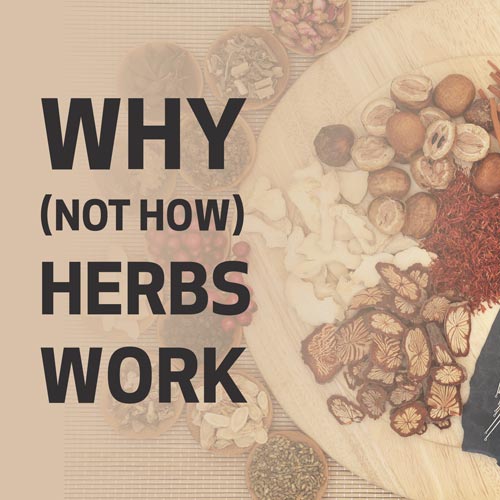
The Chinese herb Bai Tou Weng (Pulsatilla) is not an A-lister, but it is a useful herb. This episode will cover what it does, its history, and the science and pharmacology behind it. Plus, as something a little different, we are going to discuss “toxins,” both from a modern alternative medicine perspective (spoiler alert: not a fan), and a Chinese medical approach. Some controversy is ahead, so buckle up and join us for a unique episode.
Each episode of the podcast will go into great depth about a single herb. Besides covering the basics of Chinese herbology including category, and functions, we will explore the history, quality, science, pharmacology, evidence, and any potential interactions of each herb. And then there is always something a little quirky about an episode. Whether that is a unique story or an interesting perspective, there will always be something different to learn about Bai Tou Weng (Pulsatilla).
Objectives
-
Comprehend basic Chinese and bio- medical information about Bai Tou Weng (Pulsatilla).
-
Converse about the current scientific evidence about the uses, dangers, and effectiveness of Bai Tou Weng (Pulsatilla).
-
Understand the history of Bai Tou Weng (Pulsatilla), especially in the context of the Chinese classics.
-
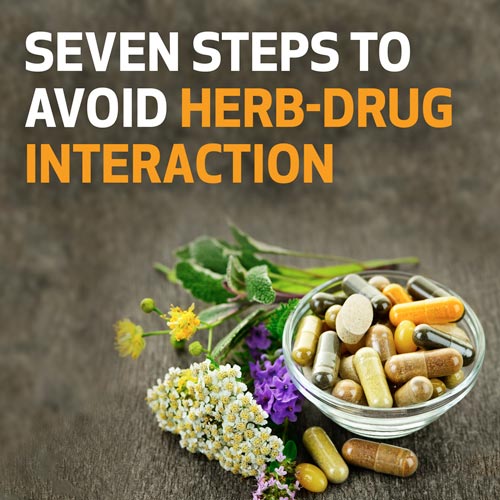
Understand and prevent any potential drug-herb interactions.
Outline
0 hrs - 15 min
Introduction of Bai Tou Weng (Pulsatilla).
15 min - 45 min
Discussion of Bai Tou Weng (Pulsatilla)
45 min - 1 hrs
Summary of Bai Tou Weng (Pulsatilla).
Teacher
Greg Sperber
Dr. Greg Sperber is an author and also holds a Masters and Doctor of Acupuncture and Oriental Medicine from Pacific College of Oriental Medicine. He is a professor at PCOM and speaks internationally on TCM business and drug-herb interactions.
Disclaimers
Please read these important disclaimers before purchasing:
...

-
CPDs:
Approved By: AACMA (1), ANTA (1), ATMS (1), Acupuncture NZ (1), Standard Certificate (1), NCCAOM (1)
-
Language: English
-
Course Type: Recorded Webinar
-
Course Length: 1 h
-
Course Notes: There are no notes provided with this course.
-
Access Period: Lifetime