Course Overview
The teishin and enshin are included in the Lingshu in the description of “Nine Classical Needles.” This occurs right in the first chapter. Unlike the other needle types, the teishin and enshin are non-insertive tools used on the surface of the skin. Over time the use of these tools fell out of use in China, but in modern Japan new life has been breathed into them.
This comprehensive training course takes the participants from the point of no previous exposure through the basic techniques of tonification and sedation of points and entire body regions. In this course Bob Quinn, DAOM, L.Ac. trains a student who has no previous experience with the tools. The viewer learns as the student learns. The pace is appropriate for a new skill.
Objectives
-
Participants will learn how to use a technique to tonify the hara.
-
Participants will learn how to use Dr. bear's sedation technique in the area of the SCM and scalenes
-
Participants will be able to execute an effective left hand technique with the teishin
-
Participants will learn how to sedate areas of excess muscular tension with a teishin
-
Participants will learn to incorporate rhythm into their teishin techniques.
Outline
0 hrs - 2 hrs
Introduction to Teishin History and usage andTeishin techniques
2 hrs - 4 hrs
Details on Teishin techniques, Finding the Vector of Engagement, Using Teishin for Full Body treatments
4 hrs - 6 hrs
Full Body Teishin Treatment Examples
6 hrs - 7 hrs
Lecture on Dosage and Avoiding Under ot Over Treating Patients
7 hrs - 9 hrs
Teishin Stroking Techniques, More Full Body Treatment Examples
9 hrs - 10 hrs
Proper Hand Care, Developing Perception in your Hands, Spatial Awareness
10 hrs - 12 hrs
Review of Techniques and other details, Final Full Body Treatment
Teacher
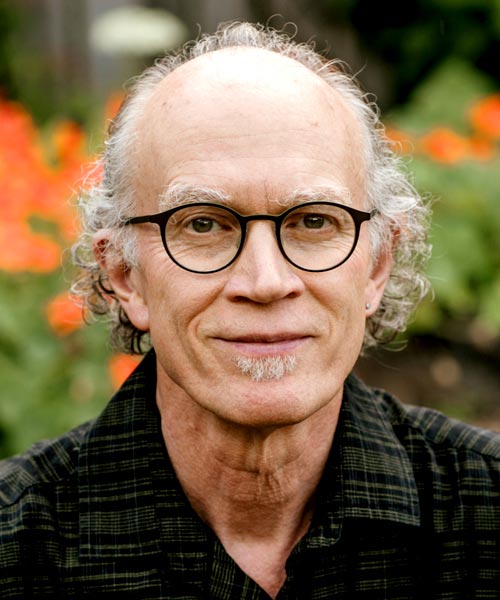
Bob Quinn
Bob Quinn, DAOM, L.Ac. has been a full-time Associate Professor of Chinese Medicine at National University of Natural Medicine in Portland since 2009; before that, he taught and supervised at the Oregon College of Oriental Medicine. He first entered acupuncture practice in 1998 with a master’s degree from OCOM, and later returned to earn his doctoral degree in Chinese medicine in 2008.
Disclaimers
Please read these important disclaimers before purchasing:
...

-
CPDs:
Approved By: AACMA (12), ANTA (12), ATMS (12), Acupuncture NZ (12), NCCAOM (12), Standard Certificate (12)
-
Language: English
-
Course Type: Recorded Seminar
-
Course Length: 12 h
-
Course Notes: Notes are provided with this course.
-
Access Period: Lifetime